

DRC Consumer Outlook 2027
Understand the consumer shifts shaping your next business decision.
A comprehensive analysis of consumer confidence, household purchasing power, spending priorities and market opportunities in the Democratic Republic of Congo, based on proprietary consumer intelligence and expert analysis.
- Proprietary consumer dataHigh-frequency primary research
- Country focusDemocratic Republic of Congo
- Latest data2023 – 2026
- Report length60 pages (PDF)
US$1,499
One-time purchase
Digital PDF delivery
- Standard internal-use licence
- Methodology and source notes included
- Access within 24 hours (after payment confirmation)
Preview sample pages
Explore selected pages from the report, including key findings, charts and analysis.
-
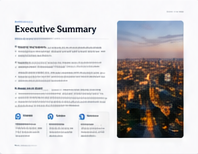
1. Executive summary -
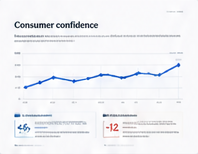
2. Consumer confidence -
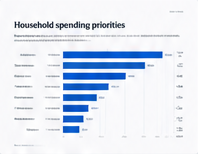
3. Spending priorities -
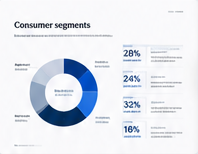
4. Consumer segments
What you will learn
The report provides evidence and analysis across these areas.
- 1
Consumer confidence
How consumers feel about their financial situation and the economic outlook.
- 2
Household purchasing power
Affordability pressures and financial resilience.
- 3
Spending priorities
Categories consumers may protect, reduce or reconsider.
- 4
Financial behaviour
Saving behaviour, financial pressures and household stability.
- 5
Consumer segments
Key differences across demographic and socioeconomic groups.
- 6
Strategic implications
What the findings mean for business leaders, investors and policy stakeholders.
Contents
- Executive summary
- Consumer confidence
- Household purchasing power
- Spending priorities
- Financial behaviour
- Consumer segments
- Strategic implications
- Methodology and sources
About this report
The DRC Consumer Outlook 2027 examines how consumers in the Democratic Republic of Congo see their finances, the economy and the year ahead, and what that means for demand. It brings together consumer confidence, purchasing power, spending priorities and financial behaviour in one place, for teams preparing 2027 plans, market entry or expansion decisions, and investment cases.
Methodology
The report draws on Kasi's proprietary consumer intelligence for the DRC, with data from 2023 to 2026, alongside published economic indicators. The full report sets out the datasets, sample, fieldwork and data periods used, and the limitations readers should keep in mind.